


Is ASTM A36 Steel Hard Enough for Your Construction Project?
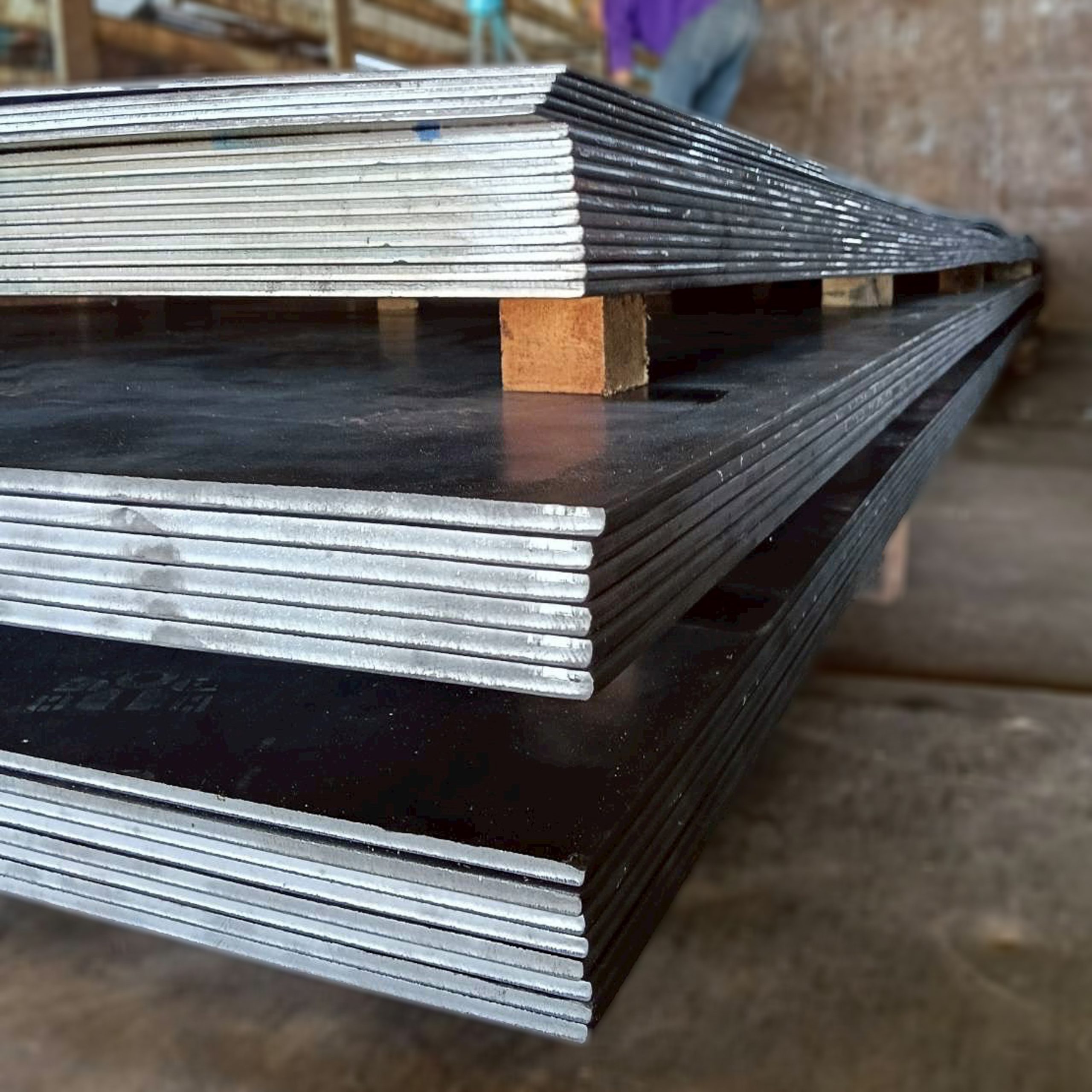
A36 steel is one of the most commonly used materials in construction and general fabrication. You’ll find it in building frames, brackets, base plates, and many other structural applications. Its popularity comes from its versatility: it offers dependable strength, practical formability, and affordability for many projects.
Still, customers often ask, “How hard is A36 steel?” The short answer is that A36 is a relatively soft, low-carbon steel, not a high-hardness or wear-resistant material. ASTM does not require one universal hardness rating for every A36 product.
That distinction matters. Hardness can help you understand how the material may respond to indentation, wear, cutting, or machining, but it does not tell you everything about structural performance. Here is what to consider before choosing A36 for your building project.
What Does ASTM A36 Mean?
ASTM International develops technical standards for materials and products. ASTM A36/A36M is the specification for carbon structural steel shapes, plates, and bars used in bolted, riveted, or welded construction, including bridges and buildings.
In other words, “A36” is not simply a hardness grade. The ASTM standard addresses the material’s chemical composition and mechanical properties, including:
- Yield strength
- Tensile strength
- Elongation
- Limits for elements such as carbon, manganese, phosphorus, sulfur, and silicon
A36 typically has a minimum yield strength of 36,000 psi, or about 250 MPa, for many common shapes, plates, and bars. Yield strength describes the amount of stress steel can take before it begins to deform permanently. Tensile strength describes the stress it can withstand as it is pulled before it breaks. Depending on the product and thickness, ASTM A36 tensile strength generally falls between 58,000 and 80,000 psi, or about 400 to 550 MPa.
These tensile properties are more useful for structural design than hardness alone. Always follow the engineer’s plans, applicable codes, and project requirements.
How Hard is A36 Steel?
A36 steel does not have one guaranteed Brinell hardness because hardness is not a required acceptance criterion in ASTM A36/A36M. Published values are typically estimates or representative ranges, and actual results may vary with thickness, carbon content, alloying elements, processing, and the test method.
Hardness measures resistance to localized indentation or surface wear. It is different from:
- Strength: How much stress the steel can withstand before yielding or breaking
- Ductility: How much the material can deform before it fractures
- Toughness: How well the material absorbs energy and resists sudden fracture
- Durability: How well the material performs over time under its service conditions
For most construction projects, the practical takeaway is simple: A36 offers moderate strength and good ductility rather than extreme hardness. That balance allows it to bend or deform before sudden failure and supports many general structural uses.
Why Is A36 Steel Commonly Used in Construction?
ASTM A36 is a widely used structural steel because its properties support both construction and fabrication. Key benefits include:
Weldability
Its relatively low carbon content supports common welding methods when the correct procedure and filler metal are used.
Workability
A36 can be professionally cut, drilled, bent, and shaped for many common parts.
Versatility
It is available as steel plate, bar, angle, channel, and structural shapes.
Affordability
It usually costs less than specialized high-strength, alloy, or wear-resistant steel grades.
Availability
Builders and fabricators can source it in many sizes for framing, supports, brackets, and base plates.
A36 is also reasonably machinable, but machining results depend on the operation, equipment, tooling, and material condition. It may not machine as smoothly as an AISI-designated grade such as 1018. However, its balance of weldability, workability, availability, and cost still make it practical for many fabricated components.
How Chemical Composition Affects A36 Steel
A36 is a low carbon steel, so carbon content has a major influence on its strength, hardness, weldability, and workability. Manganese can support strength and toughness, while limits on phosphorus and sulfur help control brittleness and other undesirable effects. Silicon may be present as part of the steelmaking process.
The exact chemical composition can vary within ASTM limits based on product form and thickness. Unlike stainless steel, A36 does not rely on chromium for built-in corrosion resistance. It is also different from alloy steel, which uses intentional alloying additions to achieve specialized properties.
Heat treatment or surface hardening can change the characteristics of some carbon steels. However, if your design depends on a specific hardened surface or tightly controlled hardness, do not assume standard A36 will meet that need. Ask an engineer whether another material or treatment is appropriate.
When is A36 Not the Best Choice?
A36 is useful, but it is not the right grade for every project. Consider another option when a component requires:
- Heavy abrasion or repeated surface wear
- Greater corrosion resistance without a protective coating
- Higher yield strength for demanding loads or weight reduction
- Closely controlled hardness or specialized heat treatment
- Precision machining with a smoother as-supplied finish
- Performance in extreme temperatures or other unusual conditions
For example, stainless steel may be a better choice for certain corrosive environments, while an alloy steel or wear plate may perform better under abrasion. Other structural steel grades may provide higher strength levels for engineered applications. A qualified engineer should make the final material decision when safety, loading, or code compliance is involved.
Choose the Right Steel for Your Project with Eagle Steel
For many building frames, supports, brackets, and general fabricated parts, A 36’s balance of strength, durability, weldability, workability, and cost is more valuable than maximum hardness.
Before ordering steel for a construction project, confirm the required steel grade, shape, dimensions, quantity, and applicable ASTM specifications. As an experienced steel supplier, Eagle National Steel can help you review product availability, identify suitable forms and sizes, and discuss cutting, punching, or delivery needs. If a project requires certified mechanical properties or chemical composition, ask whether material documentation is available for your order.
Explore our structural steel products, review our technical resources, or contact Eagle National Steel to discuss your material needs. You can also visit our showroom and steel yard at 540 Skyline Drive in Hutchins, TX.