

Steel Tubing vs. Angle Iron: Choosing the Right Material
Steel tubing and angle steel are two common choices for construction, fabrication, and repair projects. Both can provide dependable structural support, but their different shapes affect how they perform, how they connect to other materials, and how much fabrication a project requires.
Choosing between square tube and angle steel starts with understanding the demands of the project. Will the material carry a specific load? Does the design need torsional resistance, a flat surface for attachment or an open profile that is easy to modify? The answers can help contractors, fabricators, and do-it-yourself builders choose the right material with greater confidence.
What Is Steel Tubing?
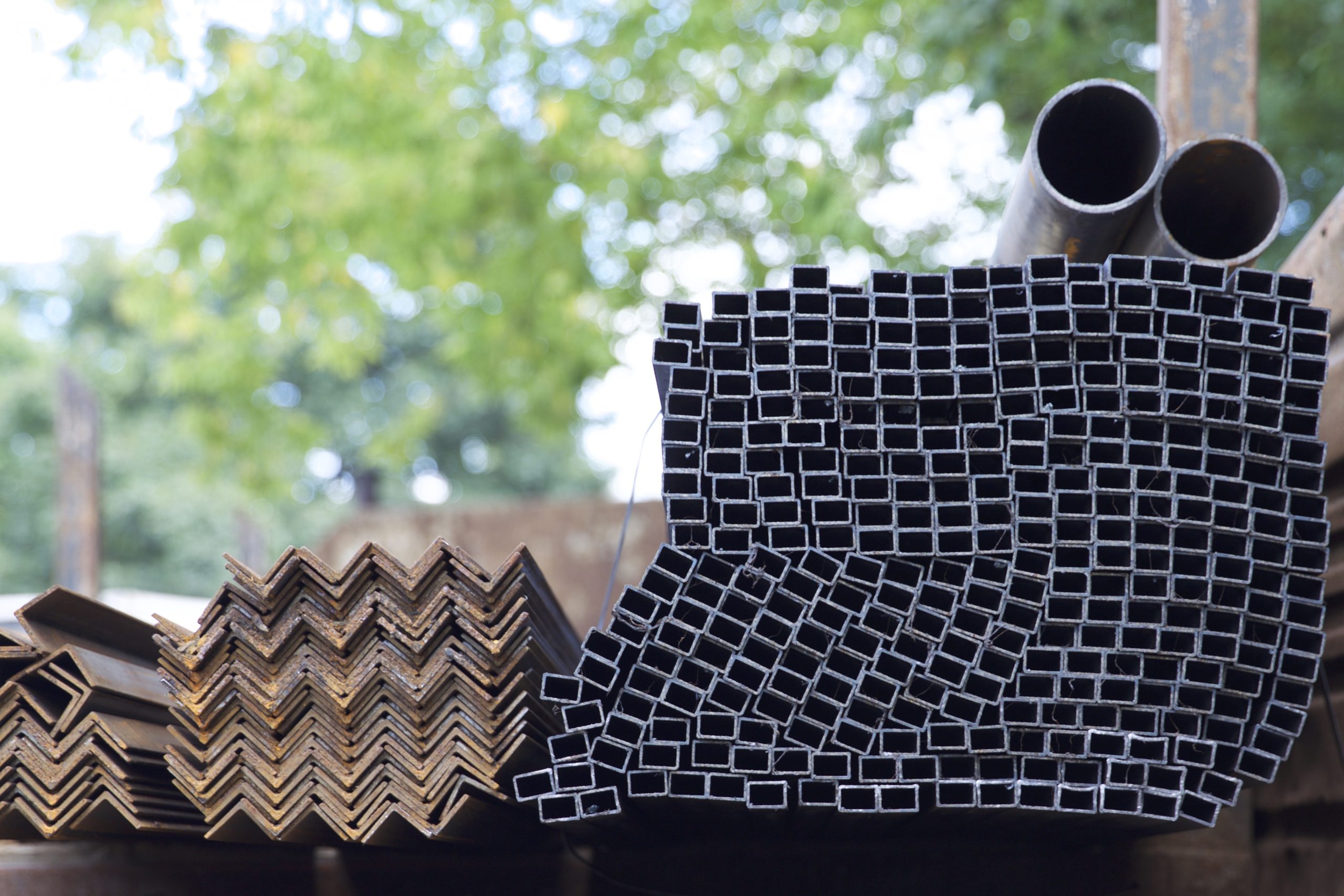
Steel tubing is a hollow section with a square, rectangular or round cross section. This blog focuses primarily on square tube, which has four equal sides and a consistent shape along its length. The hollow section provides strength while using less material than a solid bar of similar outside dimensions.
Square tube is available in different outside dimensions and wall thicknesses. The required thickness depends on the specific load, span, connection method, and other project specifications. Heavier walls can provide additional strength, but they may also increase weight, fabrication cost, and material requirements.
Because square tube has a closed cross section, it generally offers good torsional resistance and torsional rigidity. It can resist twisting and provide useful bending resistance when properly sized and supported. These characteristics make steel tubing a practical option for frames, support structures, and other structural applications.
What Is Angle Iron?
Angle iron is steel formed into an L-shaped profile. It is also called an angle bar or steel angle. The two legs meet at a 90-degree angle, creating a shaped profile that can support loads along either leg or reinforce a corner.
Angle steel comes in equal and unequal angle profiles. Equal angle has legs of the same length, while unequal angle steel has one longer leg. The profile angle, leg length, and material thickness all affect the angle’s strength and how it connects to other materials.
Unlike steel tubing, angle iron is an open profile. That makes it easy to access, cut, and attach with bolts or welds. It also means angle steel does not provide the same torsional strength as a comparable closed tube. However, its open shape can make it a flexible and efficient option for many construction and fabrication projects.
What are the Differences Between Steel Tubing vs. Angle Iron?
The best material depends on how the project will use it. Here are the main differences to consider:
Cross Section and Strength
Square tubing has a closed cross section, which helps it resist twisting and provides strength around the perimeter. Angle steel has an open profile with two legs, so its performance depends more heavily on the direction of the load and how it is positioned.
For applications that require torsional resistance or consistent strength from multiple directions, square tube may be the better choice. Steel angle can work well when the load is primarily carried along one direction or when the material will reinforce a corner or edge.
Connection and Fabrication
Both materials can be cut, drilled, and welded. However, the shape of each material affects the amount of fabrication time required.
Square tubing requires accurate measurements and careful preparation when you need to join pieces at corners or create a clean frame. A welder may need to make multiple welds around a joint, and the inside of the tube is not easy to access. A grinder can help clean or prepare the outside of a weld, but the connection still needs to match the project specifications.
Angle steel is often easier to connect to a flat surface. Its open profile allows for straightforward access when drilling, bolting, or welding. It may also require fewer cuts or simpler joints for braces, brackets, and corner supports. In either case, a qualified welder should select the appropriate process and confirm that the welds meet the project requirements.
Weight and Material Efficiency
Steel tubing can provide a strong, balanced shape without filling the entire cross section with steel. This material efficiency can be useful when a project needs strength without unnecessary weight. However, a tube requires the correct wall thickness for the expected load, and a thinner wall is not automatically the most efficient choice.
Angle steel uses material along two legs rather than around a closed section. This can make it a practical choice for smaller support structures, braces, and reinforcement. The most efficient option depends on the required bearing capacity, the span, and the way the material will be connected.
Corrosion and Maintenance
Steel tubing and steel angle can both develop corrosion when exposed to moisture, salt, or other corrosive conditions. Uncoated steel should be protected with an appropriate coating, paint, or other corrosion-control method based on the environment.
The shape can affect maintenance. Water and debris may be collected inside square tube if the ends are not sealed or the design does not allow for drainage. Angle steel has an open profile, which makes it easier to inspect and clean, but its corners and connection points still need protection. Stainless steel or aluminum may be appropriate in some corrosive environments, but material selection should follow the project’s specifications and budget.
Common Uses for Square Tubing
Square tubing is often selected for projects that benefit from a closed, balanced cross section. Common uses include:
- Equipment and machine frames
- Gates, railings and protective barriers
- Truck beds and transportation equipment
- Tables, racks and work stands
- Support structures and general fabrication
- Trusses and roof trusses when properly engineered
Square tube can support many structural applications, but the correct size and material thickness depend on the loads and connections involved. A structural engineer or experienced fabricator can help confirm the appropriate specifications for a load-bearing project.
Common Uses for Angle Iron
Angle steel is useful when a project needs an accessible L-shaped support or a reinforcing edge. Common angle iron uses include:
- Brackets and shelf supports
- Corner guards and edge protection
- Frames, braces and small support structures
- Reinforcing plates and equipment supports
- Trusses and other fabricated assemblies
- Mounting rails and base supports
You can use angle steel to reinforce a corner, create a simple frame, or provide a flat leg for fastening. Gussets may be added to strengthen a joint, depending on the design and the specific loads involved.
How to Choose the Right Material for Your Project
Start with the project requirements rather than the material name. Consider these questions:
- What load will the material carry, and where will that load be applied?
- Will the project experience twisting, vibration, or impact?
- Does the design need a closed section or an open profile?
- How will the pieces be connected: welding, bolting, or another method?
- What material thickness, leg size, and overall dimensions match the specifications?
- Will the material be exposed to moisture or conditions that could cause corrosion?
- How much fabrication time and equipment are available?
Square tubing may be the better choice when the project needs torsional rigidity, a balanced appearance or strength around a closed cross section. Angle steel may be the better choice when the project needs accessible connections, simple reinforcement, or a flat leg for fastening.
When the project involves a specific load, long span, or critical structural support, do not select material based only on appearance or price. Review the specifications and consult a qualified professional when necessary.
Find the Right Steel for Your Project
Steel tubing and angle steel can both be valuable materials for construction, repair and fabrication. Square tube provides a closed cross section with useful torsional resistance, while angle steel offers an open profile that is easy to access and adapt. The right choice depends on the load, connection method, environment, and fabrication requirements.
Explore our structural steel tubing and structural steel products, or contact Eagle National Steel to discuss your specifications. Visit our showroom and steel yard in Hutchins, TX, or call us to place your order.