

Welding and Inspection Methods for Strong Steel Structures
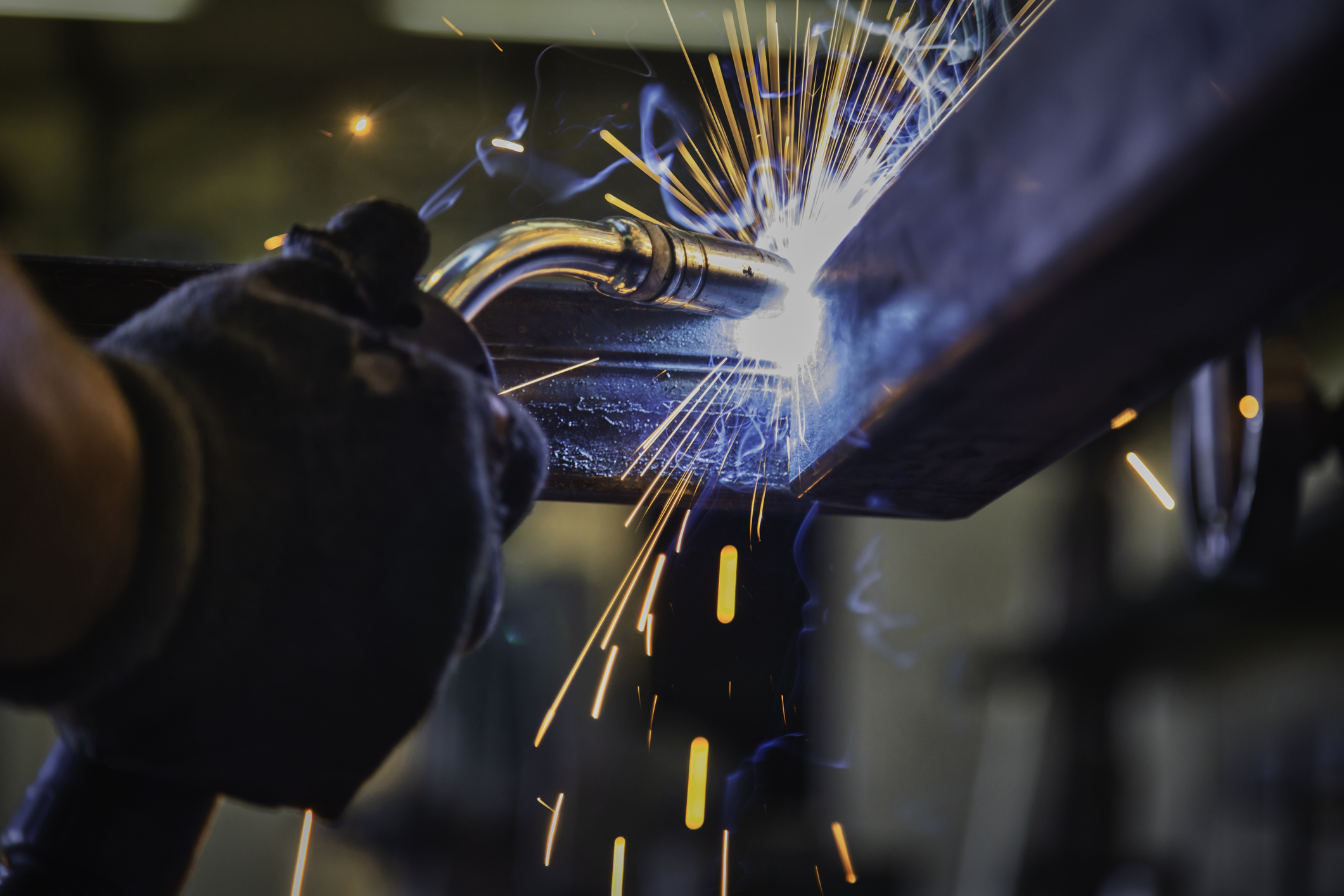
In steel construction and fabrication, welds are the connection points that hold structures together. If those connections fail, the entire structure is at risk. But even the highest quality steel depends on proper welding and inspection to perform as intended.
That is why welding quality and thorough inspection play a critical role in building strong, safe, and reliable steel structures. These are the welding techniques and inspection practices that ensure long-term performance and structural integrity in steel structures.
Why Welding Quality Is Critical in Steel Construction
Welding permanently joins steel components, allowing loads to transfer safely through a structure. Poor welding can weaken joints, introduce defects, and reduce overall durability. High-quality steel welding ensures that beams, tubing, purlins, and other structural components perform as designed.
Strong welds help steel structures:
- Maintain structural integrity under load
- Resist fatigue and stress over time
- Perform reliably in extreme weather conditions
- Meet project specifications and safety standards
This is especially important when working with structural steel used in commercial buildings, warehouses, and industrial facilities.
Common Welding Processes Used in Steel Fabrication
Different welding processes are used depending on the application, material thickness, and project requirements. Each method has its place in steel construction and supports an overall structurally sound design.
MIG Welding
Metal Inert Gas (MIG) welding is a type of arc welding that is commonly used in steel fabrication because it is efficient and produces consistent welds. This process uses a continuous wire electrode, which fuses two pieces of metal together quickly and consistently, and shielding gas. Because the rod (wire electrode) does not have to be replaced as it is consumed, like other welding processes, this technique is considered more efficient. MIG welding works well for shop fabrication and repetitive welding tasks where speed and uniformity matter.
TIG Welding
Tungsten Inert Gas (TIG) welding, another type of arc welding, offers greater control and precision. Non-consumable electrodes are used for TIG welding, and the process requires a consumable filler rod to be used (unlike MIG welding). Like MIG welding, TIG welding also uses a shielding gas. TIG welding is often chosen for thinner materials, stainless steel, and applications where weld appearance and accuracy are critical.
Stick Welding
Stick welding is widely used in field construction and repair work, and it requires a consumable electrode that produces its own gas. Like TIG welding, this process requires the welder to change the rod manually throughout the project. Stick welding performs well outdoors and in less controlled environments, making it a practical option for structural steel construction.
The Role of Welding Inspection in Steel Structures
Even experienced welders can encounter issues during fabrication or installation. Welding inspection helps identify problems before they compromise safety or durability. Inspections verify that welds meet project specifications and industry standards.
Welding inspection supports steel construction by:
- Detecting cracks, porosity, and incomplete penetration
- Confirming weld size, placement, and consistency
- Reducing the risk of structural failure
- Supporting quality control and compliance
Inspection is a critical step when working with steel structures that will carry heavy loads or remain in service for decades. Reliable, consistent inspection processes ensure safety, and combining a number of inspection methods improves the overall quality of the project.
Visual Inspection
Visual inspection is the first line of defense. Inspectors examine welds for surface defects, alignment issues, and visible cracks. This method is fast and effective for identifying obvious problems.
Non-Destructive Testing
For deeper evaluation, non-destructive testing methods may be used, including ultrasonic testing, magnetic particle inspection, and dye penetrant testing. These techniques help identify internal defects without damaging the steel.
How Welding and Inspection Improve Long-Term Durability
Proper welding and inspection reduce the likelihood of costly repairs, downtime, and structural issues. Welds that pass inspections are less likely to fail under stress or environmental exposure. Over time, this leads to stronger steel structures with longer service lives and lower maintenance demands.
This level of quality is especially important in metal buildings, framing systems, and projects that use steel metal building materials for load-bearing applications.
Tips for Contractors and Small Fabricators
For contractors and smaller shops, maintaining welding quality does not require complicated systems. A few best practices can make a significant difference.
Helpful tips include:
- Follow welding specifications and procedures
- Use proper electrodes and filler materials
- Inspect welds regularly during fabrication
- Address defects immediately rather than later
- Work with steel suppliers that provide consistent, high-quality materials
These steps help ensure safe and reliable results on every steel construction project.
How Eagle National Steel Supports Quality Steel Construction
Strong steel construction starts with quality materials. Eagle National Steel supplies contractors, fabricators, and walk-in customers with steel products designed to support professional welding and inspection practices. Based in Hutchins, TX, Eagle Steel offers structural steel, beams, tubing, and purlins manufactured to consistent specifications. Our team works closely with customers to ensure materials are suited for fabrication, welding, and long-term performance. You can explore available steel products or contact our team for guidance on your next project.