

Why Should You Have Your Steel Cut Professionally?
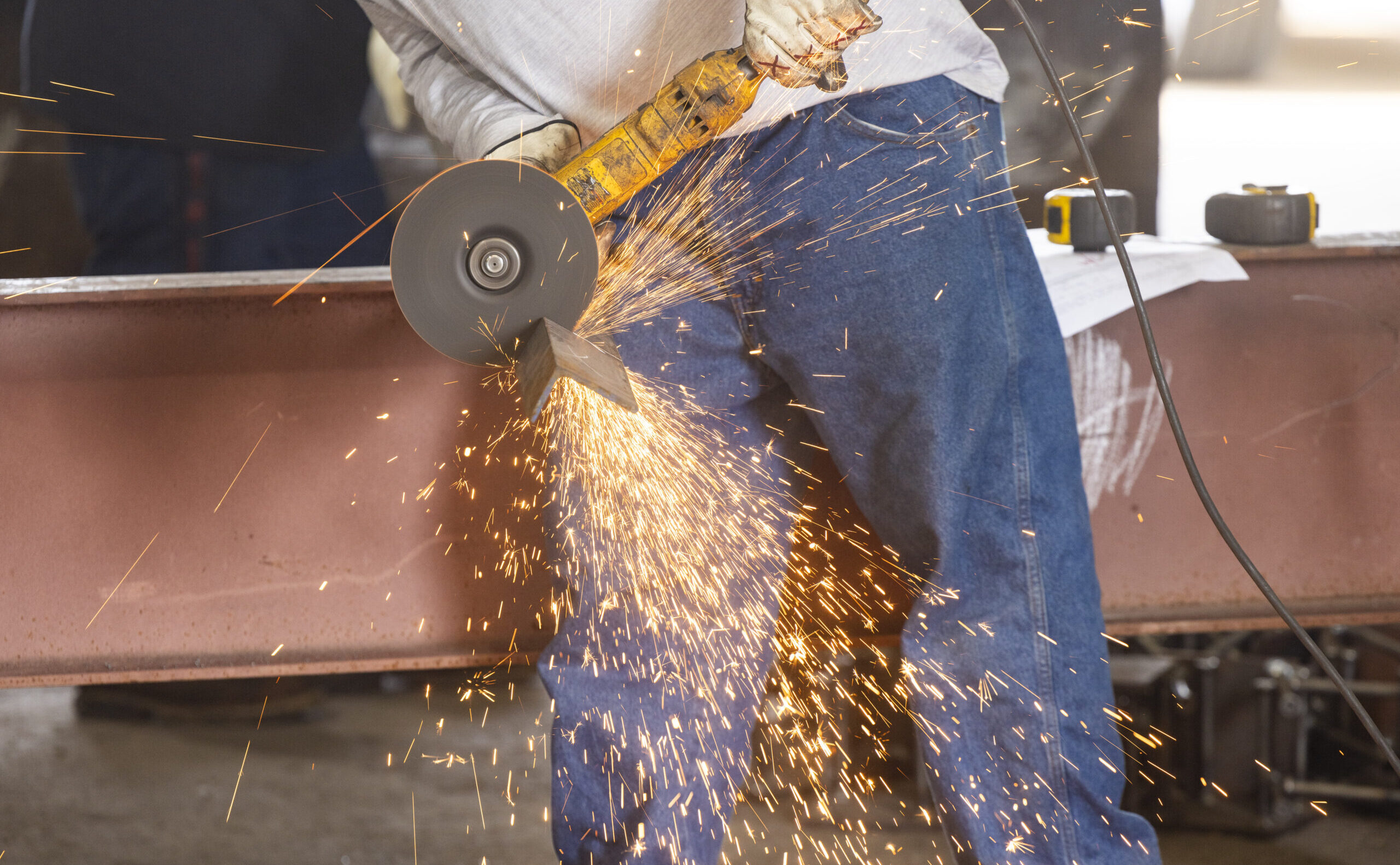
Clean cuts can make or break a metal fabrication project. Neat edges, tight joints, and perfect symmetry are what will give your work a professional look. If you’re cutting one or two pieces of steel, a simple bandsaw or angle grinder will do the trick. But if you’re building something bigger, professional steel cutting offers more consistent, repeatable results.
The Steel-Cutting Process Explained
Steel is a strong building material that can support skyscrapers. But, as you might imagine, it’s not the easiest thing to cut — especially in thicker gauges. Most DIY steelworkers use manual cutting methods, such as band saws and angle grinders. These methods are suitable for smaller, thinner steel profiles, but they are not effective for heavy mild steel beams. For these applications, industrial steel cutters often use thermal cutting methods.
- Plasma cutting: A nozzle shoots a jet of hot ionized gas at the steel, creating an electric arc that melts the steel and cuts it. This method is quick and ideal for medium thicknesses.
- Laser cutting: In this method, a powerful laser beam is directed at the steel to cut it along predetermined lines. This produces clean cuts but is only suitable for thin steel gauges.
- Flame cutting: This heavy-duty cutting method shoots oxygen and fuel gas (propane or acetylene) at a piece of pre-heated steel to melt it. Flame cutting, also known as oxy-fuel cutting, is best suited for cutting through steel that is thicker than 6 inches.
Professionals may use non-thermal steel cutting methods, such as:
- Waterjet cutting: Steel cutters mix high-pressure water with garnet or another abrasive chemical and jet it onto the steel. This method is ideal for heat-sensitive metals like aluminum.
- Industrial sawing: Industrial band saws, cold saws, or friction saws are used to cut structural steel beams and tubing into neat sections with minimal waste.
Why Is Professional Steel Cutting Better Than DIY?
Paying for professional steel cutting is worthwhile when you require precise cuts with a short turnaround time. Professional cutting starts your project on the right foot and yields clean and polished results.
Reduces Material Waste
Professional steel cutters often use computer-aided programs to plan the most efficient cutting paths for each piece of steel. This strategy leaves no room for offcuts, which reduces the amount of leftover scrap metal — and it also saves money for the buyer. Industrial-grade cutting tools and lasers also leave narrower cuts (also known as kerfs), which means less steel is lost during cutting.
Increases Accuracy
Cutting steel with a CNC machine creates more precise cuts than cutting it by hand. (That’s because when you do things manually, your hand becomes tired and your form degrades over time.) Also, a laser beam doesn’t exert any physical force on your steel either, making it less likely that the metal will slip out of alignment or warp under pressure.
Saves Time
Professional steel cutting ensures products arrive on site ready for use. Yes, machines cut faster than humans, but they also don’t have to measure, remeasure, and spend time fixing rough edges or other cutting mistakes. Once your cut materials arrive, you can get straight to welding and significantly speed up your construction or manufacturing process.
Protects Your Safety
Even with all the proper PPE and safety sheets, cutting steel can be dangerous. Professional steel cutting leaves you with smooth edges and clean cuts that are safer to handle on site. It also eliminates the need for dangerous workarounds, such as freehand grinding to make an imperfect joint fit.
Preserves Your Cutting Tools
The varied chemical properties of different metals mean you can’t cut them all the same way. Many home steelworkers approach steel cutting as a one-size-fits-all approach, using one saw or angle grinder for every job. This can seriously damage your tools over time. Aluminum, for example, is super soft and will eventually start gumming up the teeth on your saw. On the opposite end of the spectrum, stainless steel can dull even the best mild steel blades.
The Best Cutting Method for Each Type of Steel
So, how do you cut steel channels? What about steel beams and angle irons? The best cutting method depends on the type of steel you’re working with, its thickness, and how much you need.
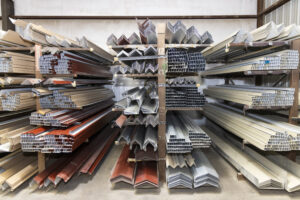
- Steel beams: Professional cutting is best for thicker steel. Cutters will either use an industrial bandsaw or a flame cutting torch for most structural beams.
- Purlins: You can cut roof purlins yourself with a circular saw. It can be time-intensive, though, so consider asking a steel cutter for help with larger batches.
- Angle irons: Getting a straight cut on angled steel can be challenging. Professionals use machinery to hold steel angles in place while cutting.
- Steel tubing: Smaller square or round tubing is relatively easy to cut, even with a hacksaw. However, if you want to process dozens of pieces, laser or plasma cutting can help you add notches, markings, and screw holes with precision.
- Sheet metal: Straightness is paramount to cutting sheet metal properly. Professionals often use hydraulic shears to slice sheets of steel to size.
Visit Eagle National for Professional Steel Cutting
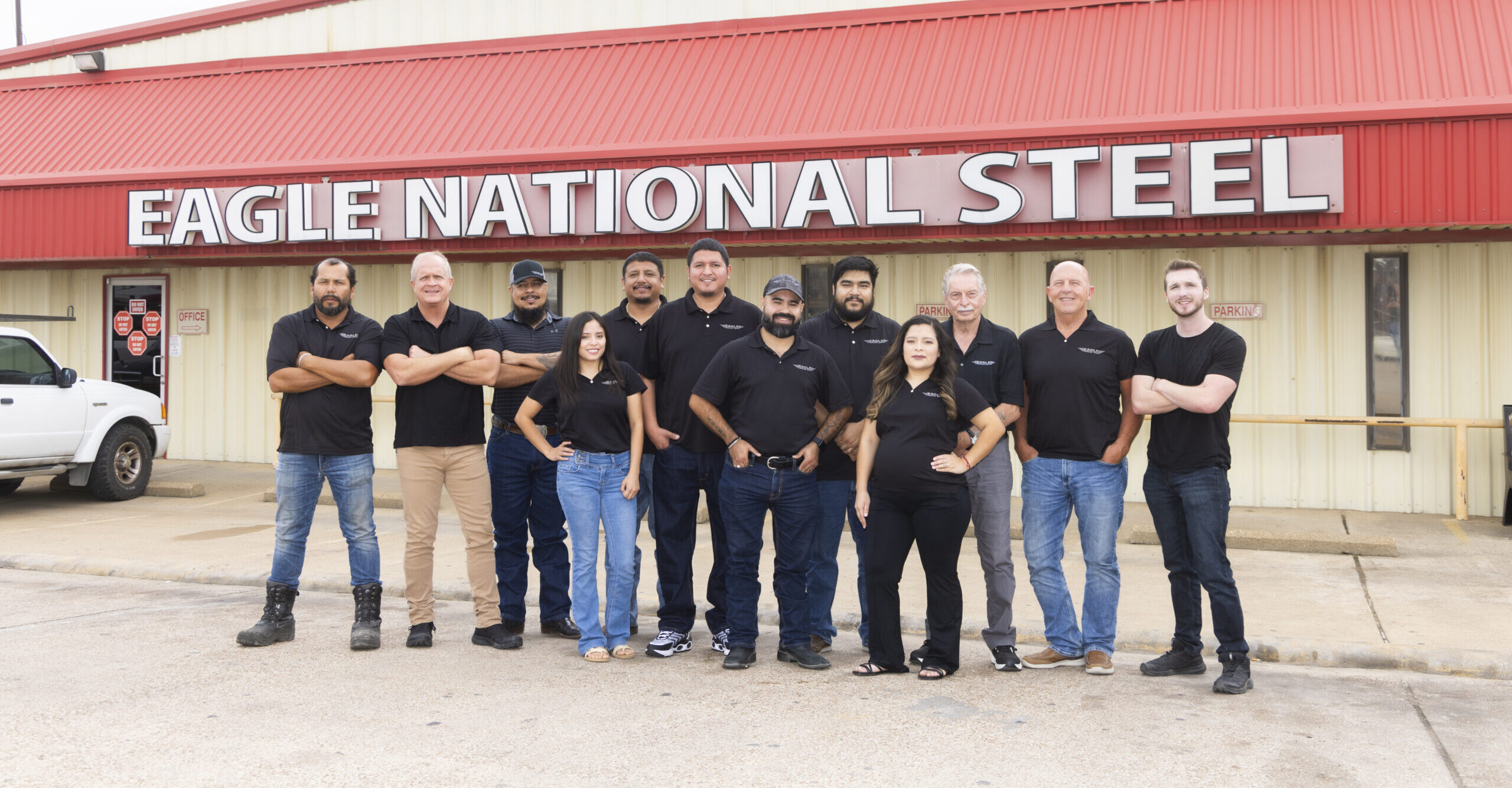
Eagle National Steel is a family-owned business with 30 years of experience in professional steel cutting. Visit our showroom to see our precise cuts firsthand, review frequently asked questions, or get in touch and tell us about your project.