

Steel vs. Wood vs. Brick: Which Building Material Lasts Longest?
Choosing the right building material is one of the most important decisions in any construction project. Steel, wood, and brick are three of the most common building materials used today in both commercial and residential projects. While each material presents a variety of benefits, depending on the building application and context, they perform differently over time.
Material selections impact the long-term durability and safety of the building, ongoing maintenance costs, and long-term value. Naturally, steel is our preferred choice, but we know that builders and homeowners want to consider and compare different materials for their projects. Here’s what to know when choosing between steel, wood, and brick for construction.
Comparing the Benefits of Steel, Wood, and Brick
Material selections come down to more than aesthetic preferences: Durability, long-term performance, damage resistance, maintenance and even ease of procurement must be considered.
Steel: Built for Long-Term Performance
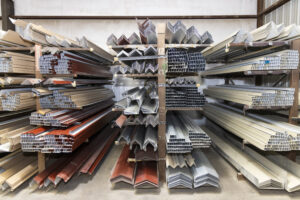
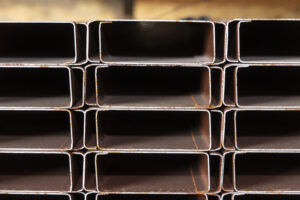
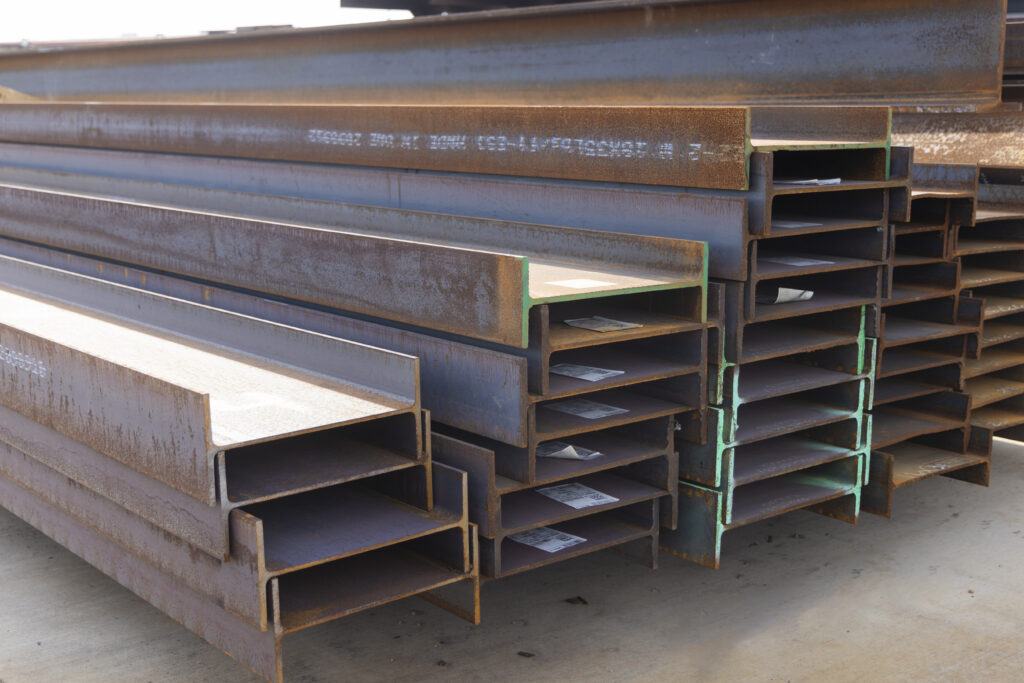
Then, steel framing uses metal studs, beams, trusses, and structural steel components to create a strong and consistent framework. Steel structures are precision-manufactured to exact specifications, which helps maintain alignment and load-bearing capacity over decades. Many modern metal buildings rely on steel framing for strength, design flexibility, and long-term reliability.
Steel is one of the most durable materials available for building purposes. It does not warp, crack, or rot, and it maintains its strength over time. Steel framing resists termites, mold, and moisture damage, making it well-suited for many types of construction projects. Steel buildings also perform well in extreme weather conditions, including high winds and temperature fluctuations. These qualities demonstrate why steel is commonly used in commercial, agricultural, and industrial construction projects where durability matters.
Wood: Vulnerable Over Time
Next, wood framing is often touted as a more affordable building material, and it is — well, before you factor in long-term maintenance costs. Wood framing can degrade due to moisture exposure, pests, and natural warping. Even treated wood requires regular inspections and upkeep to prevent structural issues.
However, wood is often considered easier to work with than steel or brick, which makes it appealing to some builders. In certain contexts where historical accuracy or architectural appropriateness are priority, wood framing may be preferred. In those cases, builders must weigh the design and appropriateness of the material against other considerations like long-term cost (including that investment in maintaining the wood), durability, and sustainability.
Brick: Durable but Not Maintenance-Free
Brick offers some of the long-term durability benefits of steel — for example, it is fire resistant, does not attract pests, and can stand up to harsh weather conditions — and it can even act as an insulator. But brick, like wood, still requires maintenance. Over time, mortar joints can weaken, and brick surfaces may crack due to foundation movement or environmental stress. Brick buildings often need periodic repairs to maintain durability and insulation performance.
Like wood, brick may be selected for historical or architectural appropriateness. Brick buildings have been associated with superior strength and structural integrity. When compared with steel, however, brick takes second place, as steel offers more structural stability and long-term durability.
Design Flexibility and Construction Efficiency
Long-term durability, longevity, and ongoing maintenance costs are often top considerations for residential and commercial builders alike. However, design flexibility and construction efficiency should be considered, too.
Whether creating a standard warehouse that’s equivalent to a very large rectangle, or designing a building of modern ingenuity that pushes the boundaries of design, steel offers the greatest degree of design flexibility. Steel beams, studs, and trusses allow for longer spans and open layouts, making steel ideal for warehouses, commercial spaces, and any type of framed metal building. Brick and wood offer less flexibility when it comes to design.
Another benefit of steel is its efficiency of use. Contractors benefit from consistent dimensions, predictable performance, and efficient installation timelines when working with steel framing systems. Wood can warp and bricks can break, but steel holds up.
Additionally, selecting steel materials for building projects may speed up construction timelines, too, because it is readily available. Brick, especially, can be difficult to procure for projects, and considerations like color selections (or color matching) may slow down timelines.
Why Steel Wins Out
Among the most common building materials, steel stands out for durability, minimal maintenance, and consistent performance over time. Steel structures maintain strength for decades, resist environmental damage, and support efficient construction practices. For builders and property owners focused on long-term value, steel is often the most dependable building material.
Making an informed decision is easier when working with an experienced supplier. Eagle National Steel has served contractors, builders, and homeowners for decades, supplying high-quality steel products backed by rigorous quality control. Based in Hutchins, TX, Eagle Steel offers precision-manufactured steel framing, structural steel, and metal building materials designed for long-lasting construction. Visit the Eagle National Steel service center in Hutchins, TX, or explore our full product selection to find durable solutions for your next construction project.