

How Do I Know If I Should Choose Steel for My Roof?
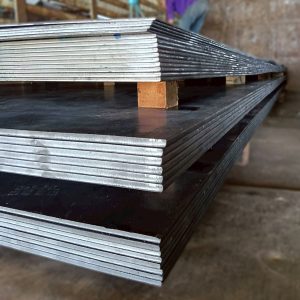
Choosing the right roofing material is one of the most important decisions you will make for any building. Your roof protects everything underneath it, from structural framing to finished interiors. It also affects long-term maintenance costs, energy efficiency, and resale value. Steel roofing has grown in popularity across residential, commercial, and agricultural projects because it offers strength, durability, and performance that traditional roofing materials often cannot match. If you are wondering whether steel is the right choice for your roof, this guide breaks it down. Below, you will learn how steel roofing compares to other materials, when it makes sense to choose structural steel, and what factors to consider before moving forward.
What Is Steel Roofing?
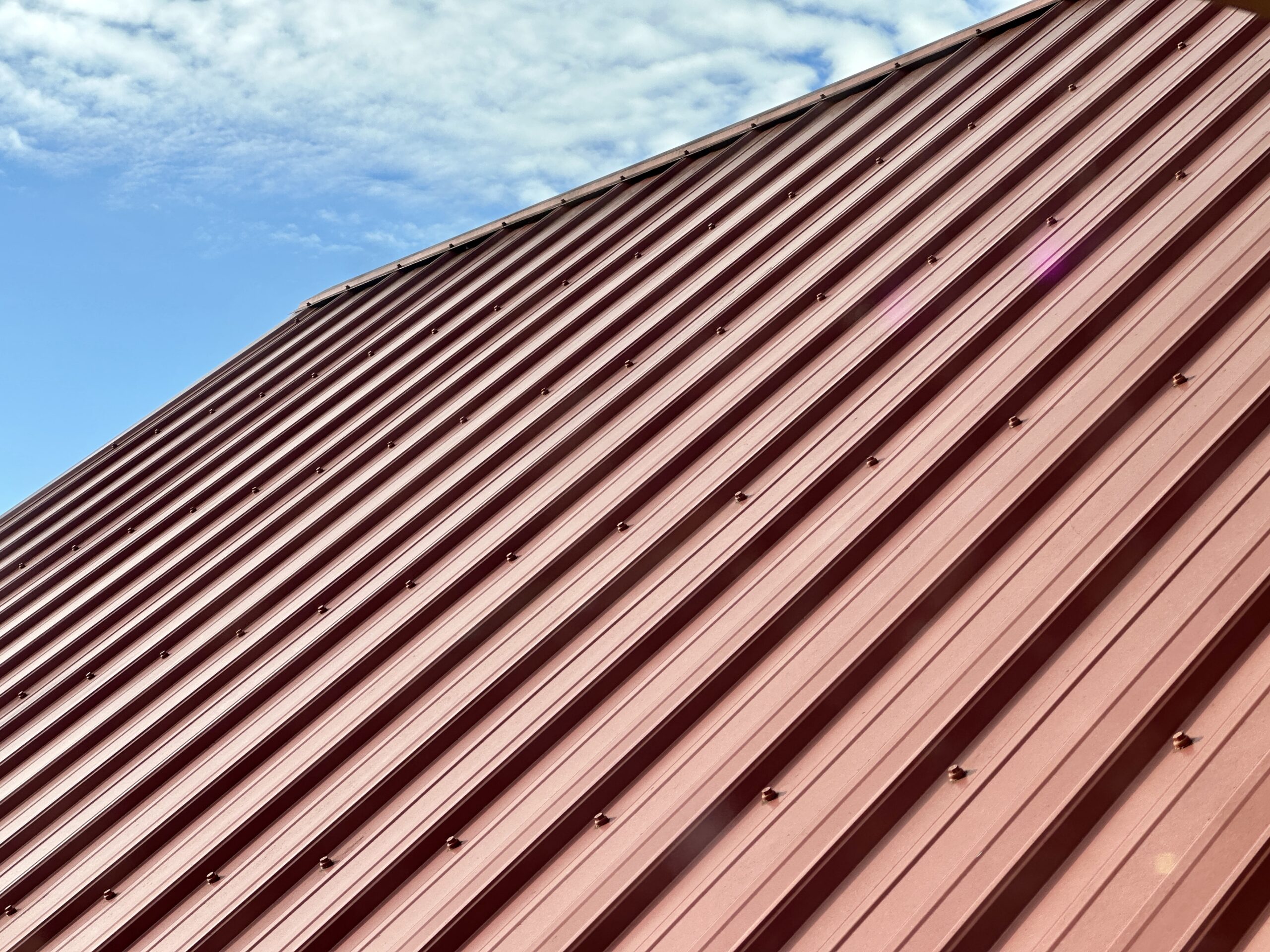
Steel roofing refers to roof systems made from steel panels or sheets rather than asphalt shingles, wood shakes, or clay tiles. These panels are typically coated or treated to protect against corrosion and weather exposure. Many of these products fall under steel metal building materials used for both roofing and structural applications. Common types of steel roofing include:
- Corrugated steel panels
- Standing seam steel roofs
- Coated or galvanized steel panels
Steel roof panels are known for their strength and consistency, and they are manufactured to precise specifications that help contractors install them efficiently and reliably.
Benefits of Choosing a Steel Roof
1. Durability and Longevity
Steel roofs are built to last. When properly installed and maintained, a steel roof can last 40 to 70 years or more, which far exceeds the lifespan of most shingle roofs. Steel resists cracking, warping, rot, pest damage, high winds, and impact from debris. This level of durability makes steel roofing a smart option for areas that experience severe weather and long-term exposure.
2. Weather, Fire, and Pest Resistance
Steel roofing performs well in extreme conditions, including heavy rain, hail, snow, and high temperatures. It is naturally fire-resistant, which is especially important in wildfire-prone areas. Steel also prevents pest intrusion since insects and rodents cannot burrow into it. Many steel roofing products are galvanized or coated to help reduce corrosion and extend service life. If you are new to steel materials, Eagle Steel’s resources and guides can help explain how coatings and finishes work.
3. Energy Efficiency
Many steel roofing systems reflect sunlight rather than absorbing it, which helps reduce heat buildup inside the building. When paired with proper insulation, steel roofs can improve indoor comfort and reduce cooling costs during hot months. This makes steel roofing a strong option for energy-conscious builders and property owners.
Steel Roofing vs. Traditional Roofing Materials
Steel vs. Shingle Roofs
Asphalt shingle roofs are common because of their lower upfront cost. However, they often require replacement every 15 to 25 years. Steel roofs offer greater longevity, better weather resistance, and fewer repairs over time. While steel roofing typically costs more initially, its long lifespan often makes it more cost-effective over the life of the roof.
Steel vs. Tile Roofing
Tile roofs are durable but heavy and often require additional structural support. Repairs can also be costly. Steel roofs are lighter in weight, easier to install on a wider range of structures, and less likely to crack or break. For many projects, steel provides similar longevity without the added structural burden.
When Steel Roofing Is the Right Choice
Steel roofing is not one-size-fits-all, but it is ideal in many situations. Steel may be the best option if you want a long-lasting roof with minimal maintenance, your building is exposed to extreme weather, fire resistance is a priority, or you are planning a commercial, agricultural, or industrial project. Steel roofing systems are commonly used alongside structural steel products in warehouses, workshops, barndominiums, and residential homes where durability and efficiency matter.
Cost Considerations and Installation of Steel Roofing
What Does a Steel Roof Cost?
The cost of a steel roof varies based on panel type, thickness, coatings, and installation complexity. For a typical 2,000-square-foot roof, steel roofing generally costs more upfront than shingles. However, steel roofs can offset those costs through fewer replacements, lower maintenance expenses, and potential energy savings over time.
Installation Factors
Steel roofing requires precision during installation. Panels must be properly aligned, secured, and sealed to perform correctly. For that reason, professional installation is often recommended. Experienced contractors help ensure warranties remain valid, and proper insulation and underlayment are critical. Sourcing materials from a reliable steel supplier also helps ensure consistency and quality throughout the project.
Choosing the Right Steel Roofing Products
Not all steel roofing products are the same. Selecting the right option depends on your building type and environment. Important factors include panel profile based on appearance and drainage needs, coatings or galvanization for corrosion resistance, thickness or gauge for strength and longevity, and compatibility with insulation systems. Browsing Eagle Steel’s full product catalog can help you compare options before purchasing.
How Eagle National Steel Can Help With Your Roofing Needs
If you are considering steel roofing, working with an experienced supplier makes the process easier. Eagle National Steel has served contractors, builders, and DIY customers for decades, offering a wide selection of steel panels and structural steel products. Based in Hutchins, TX, Eagle Steel helps customers choose materials that deliver long-term durability and performance. While steel roofing may have a higher upfront cost, it often pays off through reduced maintenance and extended service life. Visit the Eagle National Steel showroom or explore their steel building materials to find the right solution for your project.